
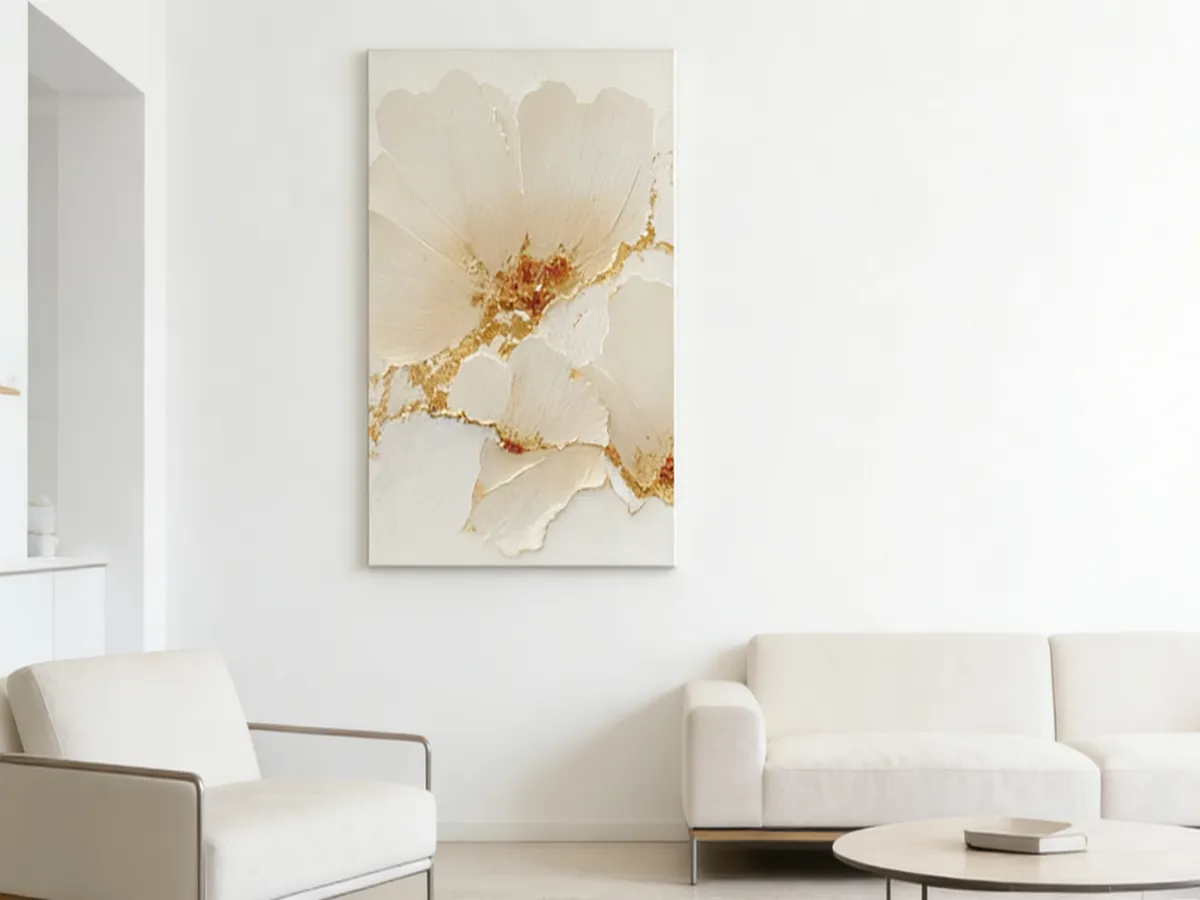
We often choose art because it matches the sofa, but neuroscience suggests we should choose art that matches our brain's need for calm. This emerging field, known as Neuroaesthetics, reveals that looking at art—specifically hand-painted textured art—triggers a biological response. It activates the reward pathways in the brain, reducing cortisol (the stress hormone) and increasing dopamine. In an era of digital fatigue, where we stare at flat, glowing screens all day, PinkNorDic’s 3D relief oil paintings offer a necessary sensory antidote, grounding us in the physical world.
The Science of Texture: Why "Flat" is Stressful
Our brains evolved in nature, surrounded by the complex, irregular textures of bark, stone, and leaves. Flat, smooth surfaces (like drywall and screens) are unnatural to our evolutionary history.
The Concept of "Fractal Fluency": Scientists have found that the human eye is most relaxed when viewing "fractals"—repeating but irregular patterns found in nature. A Textured Wabi-sabi oil painting mimics these natural fractals through heavy brushstrokes and organic layering. When you look at a heavy impasto canvas, your brain processes these patterns effortlessly, inducing a physiological state of "wakeful relaxation" similar to looking at ocean waves or tree branches.
The "Haptic" Gaze: Touching with Your Eyes
Have you ever looked at a painting and felt like you knew exactly how it would feel to touch? This is called "haptic visuality."
3D Hand-Painted Art engages the brain's motor cortex, even if you don't physically touch the canvas. This "simulated touch" creates a sense of safety and grounding. Unlike a glossy print which repels the eye, a Nordic textured painting with deep ridges and valleys invites the eye to linger and explore. This prolonged engagement shifts attention away from anxious thoughts and anchors you in the present moment—a form of effortless mindfulness.
Minimalism and Reducing Cognitive Load
Modern life bombards us with information. A cluttered room adds to this "cognitive load," exhausting the brain. Minimalist oil paintings act as a visual palette cleanser.
By utilizing negative space and a restrained color palette (typical of Nordic design), minimalist art gives the eyes a place to rest. It reduces visual noise. However, Minimalism without texture can feel cold. The secret to a cozy, stress-free home is combining Minimalist composition with rich texture. This combination provides the brain with the simplicity it craves, without the sensory deprivation of a sterile environment.
Wabi-Sabi: The Psychology of Acceptance
Perfectionism is a major source of anxiety. Wabi-Sabi art, which celebrates the imperfect and the incomplete, offers a psychological release.
When we surround ourselves with objects that embrace asymmetry, roughness, and natural aging, we subconsciously give ourselves permission to be imperfect. A hand-painted Wabi-sabi canvas that shows the raw grit of the materials serves as a gentle daily reminder that beauty lies in authenticity, not perfection. This mindset shift is a powerful tool for emotional resilience.
Conclusion: Curating for Mental Health
Art is more than decoration; it is an environmental intervention for mental health. Whether you choose the grounding earth tones of a Wabi-sabi piece or the calming, rhythmic patterns of a 3D abstract work, you are shaping your neural environment. At PinkNorDic, our texture-rich collections are designed not just to make your home look better, but to make you feel better.
 English