
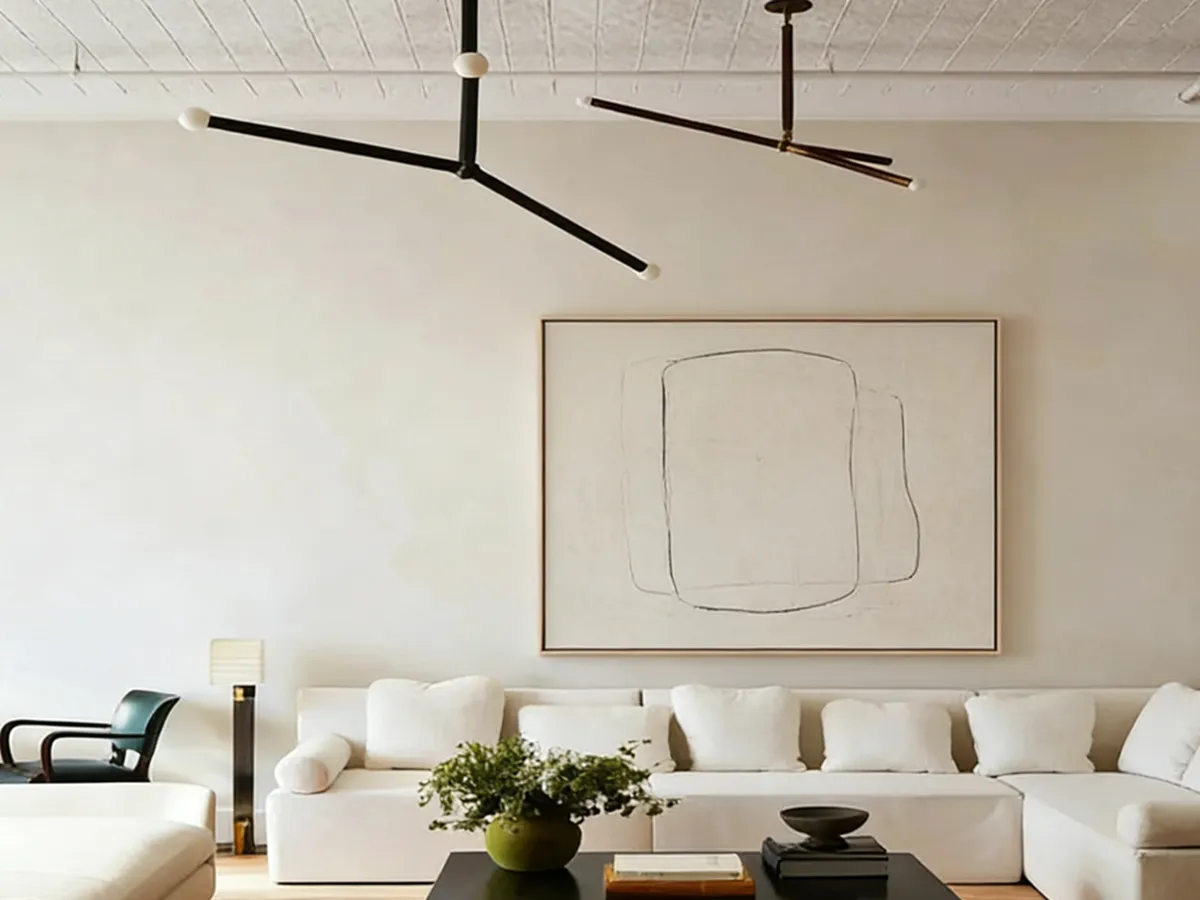
Owning a piece of original art is only half the journey; placing it correctly is what brings the artwork to life. Whether you have acquired a serene Nordic minimalist painting or a bold, heavy impasto 3D abstract work from PinkNorDic, the way you display it influences the room's entire energy. A well-positioned canvas does more than fill a blank wall—it acts as an architectural anchor, highlighting spatial proportions and creating emotional resonance. In this guide, we share professional gallery techniques to help you showcase your hand-painted oil paintings with the respect and prominence they deserve.
The "57-Inch Rule": The Museum Standard
One of the most common mistakes is hanging art too high. To replicate the balance found in galleries, follow the "57-Inch Rule." The center of your artwork—not the hook—should be approximately 57 to 60 inches (145–152 cm) from the floor. This places the focal point at the average human eye level, allowing viewers to appreciate the subtle details of Wabi-sabi textured art without straining.
Exception: In living rooms where viewing is mostly done while seated, you can lower this height by 4–6 inches to maintain a comfortable connection between the viewer and the art.
Scale and Proportion: The "Two-Thirds" Guideline
Scale is critical. A small canvas floating above a large sofa can feel disconnected. For harmony, your artwork (or group of artworks) should span approximately two-thirds to three-quarters of the width of the furniture below it.
If you are hanging a statement piece, such as an oversized Nordic textured canvas, ensure it has "breathing room." Negative space around the frame allows the eye to rest and prevents the room from feeling cluttered. For our 3D relief art, this space is even more vital, as it allows the physical depth of the painting to cast natural shadows that define its form.
Lighting: Unlocking the Depth of Texture
Lighting is the secret weapon for textured oil paintings. Unlike flat prints, our hand-painted works possess physical peaks and valleys created by palette knives.
Direct vs. Raking Light: Avoid harsh, direct light that flattens the image. Instead, use "raking light" (light coming from an angle, usually above) to wash over the canvas. This highlights the ridges of the heavy impasto techniques, creating dramatic interplays of light and shadow. Soft, warm LEDs (2700K–3000K) work best for Wabi-sabi styles, enhancing their organic, earthy warmth, while cooler light can sharpen the clean lines of Contemporary minimalist art.
Technical Considerations: Hanging Heavy Art
Original oil paintings, especially those with thick texture layers or large wooden stretchers, are heavier than standard decor.
Hardware Matters: Do not rely on a single nail. For stability, use two D-rings on the back of the frame or a "French Cleat" system for heavier pieces. This prevents the artwork from shifting and ensures it stays perfectly level.
Protecting the Pigment: While oil paint is durable, prolonged exposure to direct UV sunlight can fade pigments over decades. Position your most valuable PinkNorDic creations on walls that receive ambient, diffused light to preserve their vibrancy for generations.
Final Thoughts
Hanging art is a creative dialogue between the artist's vision and your home's architecture. By applying these principles of height, scale, and lighting, you transform a simple wall into a curated gallery experience. Whether showcasing the quiet imperfection of Wabi-sabi or the dynamic energy of Colorful Contemporary art, thoughtful placement ensures your PinkNorDic collection remains the stunning centerpiece of your interior design.
 English